

- 12 November 2025
Imagine the golden reflections of the Tagus, a shared café on a terrace in Lisbon, and that soft light that accompanies your days. For many French people, this dream has a name: live in Portugal.
Every year, thousands of expatriates, retirees, teleworkers or families choose this country attracted by its sweetness of life, its climate and the warmth of its inhabitants. Behind the idyllic image, Portugal also has its realities: sometimes long procedures, modest salaries, regional disparities. It is this mix of charm and challenges that makes it a unique place, where the simplicity of everyday life blends with an authentic art of living.
In this guide, you will first discover the main advantages of living in Portugal, then the cities where it is good to settle and finally the essential steps for a successful installation. A complete overview to understand what expatriation in Portugal really means in 2025.
Summary
Add a header to begin generating the table of contents
The advantages of living in Portugal
Difficult not to be seduced by Portugal.
Many fall under its charm for the climate, the light, the conviviality and the peaceful rhythm of everyday life. But beyond the emotion, the country offers concrete advantages that explain its success with expatriates.

A mild climate that changes life
With more than 300 days of sunshine per year, temperate winters and bright summers, the Portuguese climate offers an incomparable living comfort. In Lisbon, we enjoy a lunch on the terrace from the month of February. And in Porto, the morning mist quickly gives way to a clear sky.
This climate influences everything: morale, habits, and the relationship to time. The Portuguese live outside, move on foot, enjoy markets and beaches all year round. It is not only a mild weather, but a true philosophy of life.
A still affordable cost of living
Even if prices increase, living in Portugal remains more affordable than in most European capitals. According to 2025 data, life there is on average 25-30% cheaper than in Paris or London. A lunch costs a dozen euros, a coffee one euro, a metro ticket less than two euros. Rents remain accessible outside the city center: living in Lisbon costs about 30% less than in Paris.
To better understand what this represents on a daily basis, here are some concrete benchmarks on the average cost of living in Portugal in 2025. These estimates, based on the main current expenses, make it possible to concretely evaluate the purchasing power on the spot.
Average cost of living in Portugal (2025)
| Item of expenditure | National average (€) | Lisbon (€) | Porto (€) | Feedback |
|---|---|---|---|---|
| Rent T2 (excluding center) | Approximately 850 €/ month | 1 400 - 1 600 € | 1 000 - 1 200 € | Lower rents in medium-sized cities (Setubal, Braga, Viana do Castelo) |
| Private health insurance | 40 - 80€ / month | 40 - 80€ | 40 - 80€ | Varied offer according to clinics and guarantees: good complement to the public system (SNS). |
| High-speed internet | 25 - 40€ / month | 25 - 40€ | 25 - 40€ | Fast connection (160 Mb/s on average) and very reliable throughout the territory. |
| Average net salary | 1 250 € / month | - | - | The minimum wage is around €820 net, up since 2024. |
| Restaurant meal | 10 - 12€ | 13 - 15 € | 11 - 13 € | Affordable local cuisine, especially outside of tourist areas. |
| Public transport | 35 - 45 € / month | 45 - 50 € | 40 - 45 € | Dense network in Lisbon and Porto, attractive monthly subscriptions. |
These benchmarks confirm that, despite the rise in prices in large cities, Portugal remains one of the most accessible countries in Western Europe, with an enviable balance between cost of living and quality of life.
A taxation favorable to new residents
The regime of the Non-habitual Resident (NHR) is one of the great assets of the country. It allows new residents to benefit from a reduced tax on certain Portuguese and foreign income for ten years.
Even if the rules have evolved since 2024, the system remains attractive for skilled workers and European retirees. The Portuguese tax system is clear and relatively flexible, especially with the help of a local accountant. This fiscal stability has largely contributed to attracting new residents and investors over the past decade.
A reliable and accessible health system
The Serviço Nacional de Saúde (SNS), a public Portuguese system, guarantees a good level of care at low cost. Delays can be long in some regions, but the medical quality is recognized. The private sector, highly developed, allows quick access to specialists at rates much lower than those charged in other European countries.
Private health insurance costs between €40 and €80 per month on average, which makes the mixed system particularly efficient and affordable for expatriates. Portugal ranks among the best European countries in terms of quality of care and patient satisfaction.
A safe, reliable and welcoming country
Portugal is one of the safest countries in the world, regularly ranked in the top 10 of the Global Peace Index. Political stability, the quality of institutions and membership in the European Union reinforce investor and family confidence.
Portuguese conviviality is one of the first things newcomers notice. The inhabitants are discreet but benevolent, attached to their culture without being closed off abroad. Even without speaking Portuguese, it is easy to feel welcome in cafes, markets or neighborhood businesses.
Daily life is punctuated by simple rituals: a shared coffee, a walk by the sea, a family dinner. The country values tranquility, modesty and mutual respect—qualities that promote natural integration.
Modern infrastructures and a connected country
Portugal is a small country, but remarkably well organized. The roads and motorways are modern, fast trains connect Lisbon to Porto in less than three hours, and air connections allow you to reach most European capitals non-stop. For remote workers, the internet connection is excellent: the average speed reaches 160 Mb/s according to Ookla in 2024. The country has also created a specific visa for digital nomads, proof of its willingness to attract new active and international profiles.
Living in Portugal means choosing a simpler, healthier and sunnier lifestyle. A pleasant climate, a still reasonable cost of living, favorable taxation and a warm welcome make the country an ideal destination for those who seek to slow down without sacrificing quality.
It remains to be seen where to settle to fully enjoy this Portuguese sweetness. Each region has its own character, atmosphere, and rhythm. Let’s discover together which are the best cities to settle in Portugal, according to your profile and priorities.
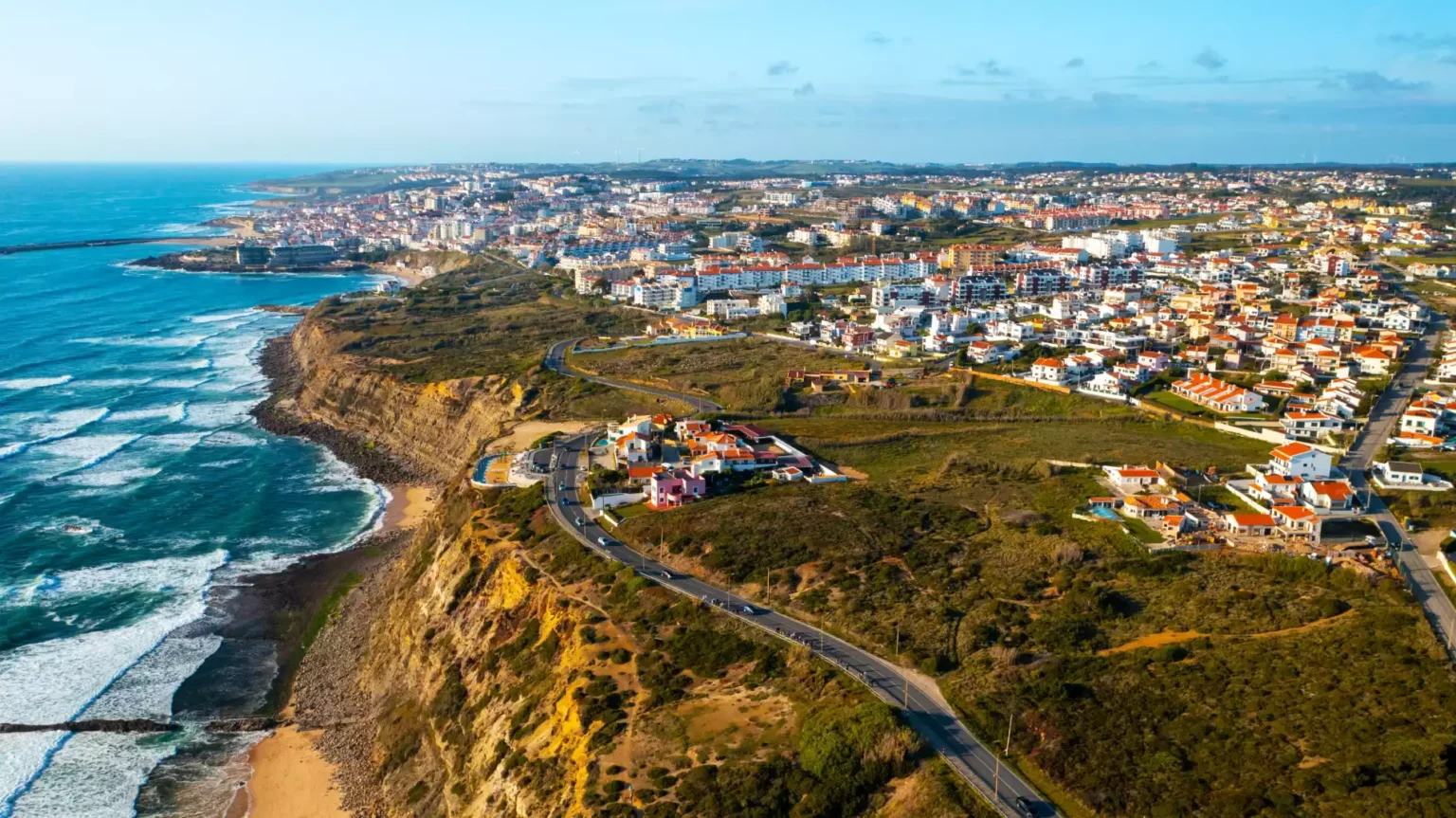
The best cities to settle in Portugal
Each region of Portugal has its own identity, rhythm and charm.
Large bustling city, family atmosphere, proximity to the sea or tranquility of the interior of the country. Portugal offers a variety of living environments.
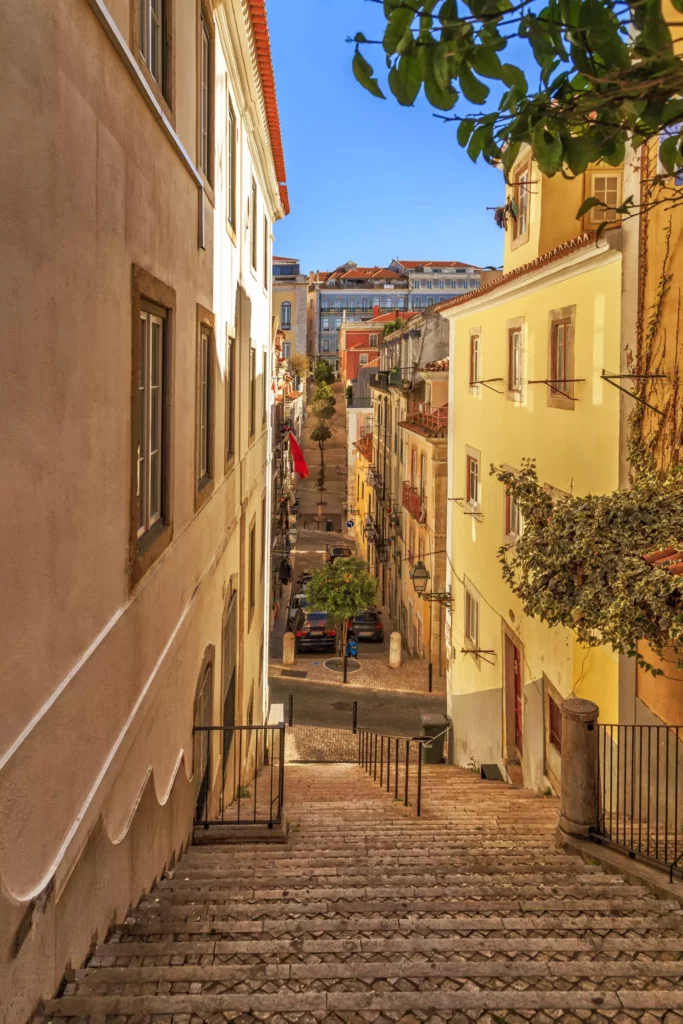
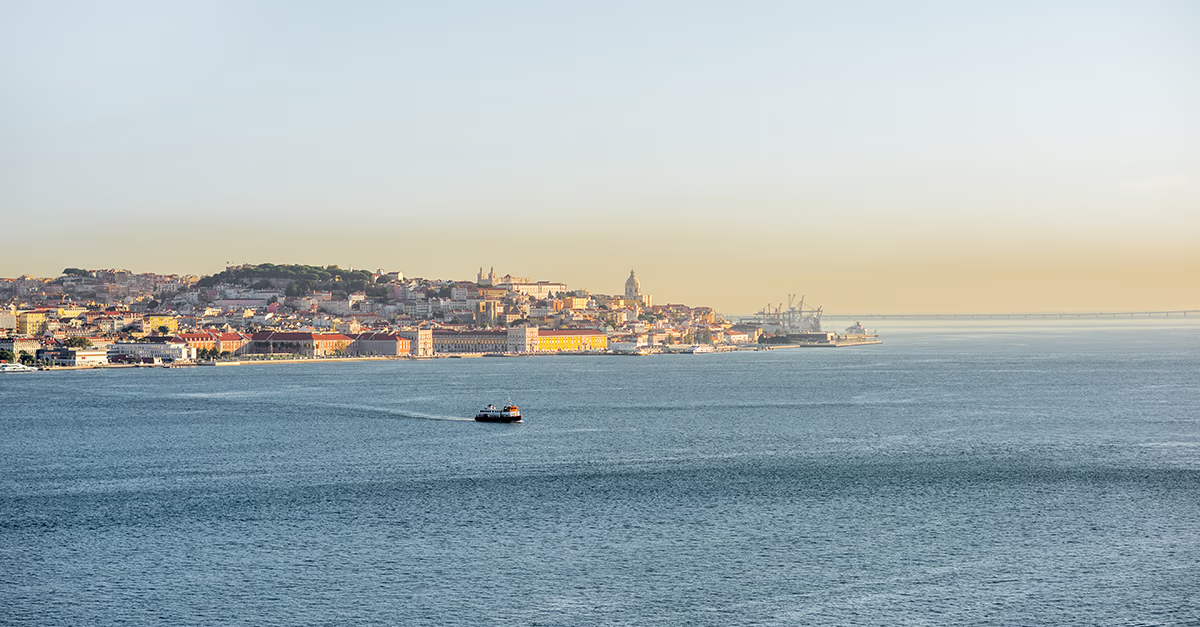
Lisbon, a capital between tradition and modernity
Lisbon attracts with its energy and light.
It is the most cosmopolitan city in the country, where entrepreneurs, artists, students and expatriates from all over the world mingle.
There are many professional opportunities, a dense cultural offer and a varied gastronomy.
Its hills, viewpoints and charming alleys give the capital a unique character. Districts like Graça, Campo de Ourique or Alcântara still offer a good balance between authenticity and comfort.
The other side of the coin remains the price of real estate: rents often exceed €1,300 for a 60 m2 apartment, and demand far exceeds supply. But Lisbon retains an essential asset: one lives there intensely, without ever being far from the sea, nature and the sun.
And if finding accommodation in a trendy area of Lisbon (like Príncipe Real, Santos or Alfama) can be a challenge, especially for families, alternatives exist. Montijo, Almada, Barreiro or Odivelas offer more space and comfort at a lower cost.
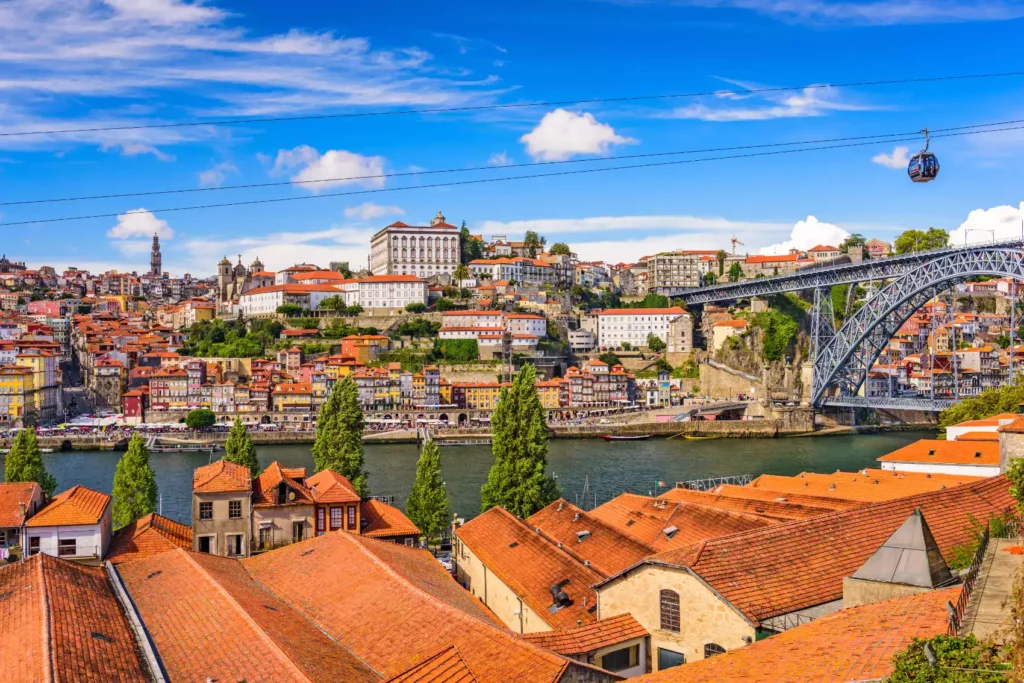
Porto, authenticity and sweetness of the North
Second city of the country, Porto seduces with its calmer atmosphere and timeless charm. Nestled along the Douro, it combines historical architecture, lively culture and quality of life. Less touristy than Lisbon, it remains very dynamic, particularly in the fields of tech, education, and design.
Rents are about 20-30% lower than in the capital, making it an excellent option for remote workers and families. The inhabitants of Porto, proud and warm, maintain a strong community spirit. It is a city where one takes the time to live, without giving up the advantages of a large urban center.
Braga, the calm and modernity
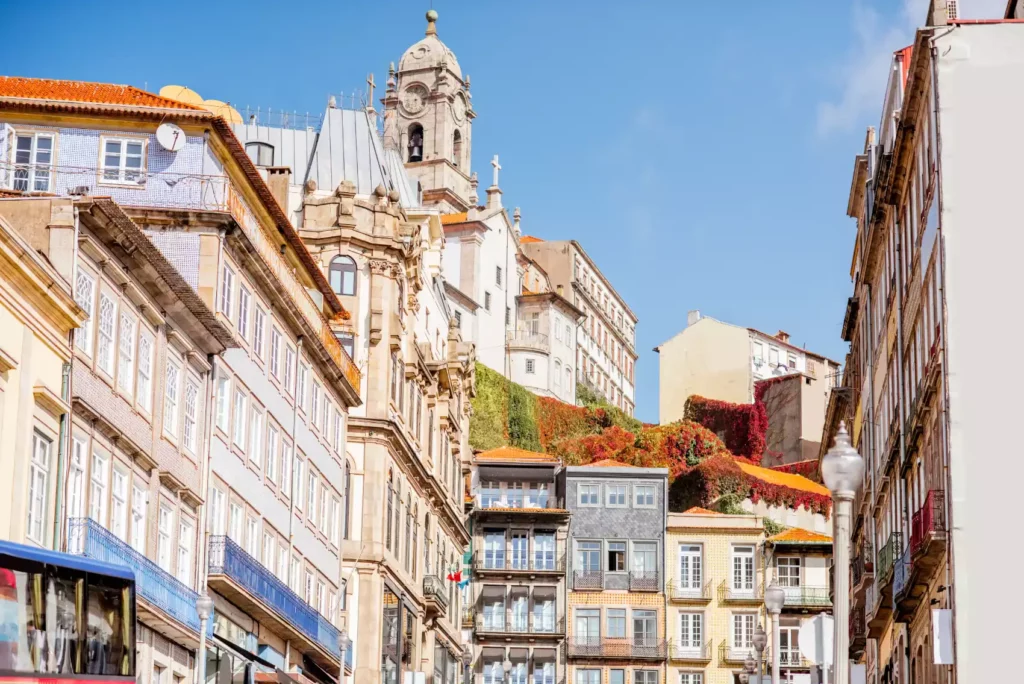
Located 45 minutes from Porto, Braga is one of the most pleasant cities for families. Its cost of living is significantly lower than that of Lisbon, and its young population makes it a lively place focused on the future.
Braga stands out as a fast-growing technological hub, with a good balance between economic dynamism and quality of life. There are spacious accommodations at reasonable prices (around 700 € for a T2), modern schools and a green setting. It is an ideal city for those who seek serenity without straying from the main roads.
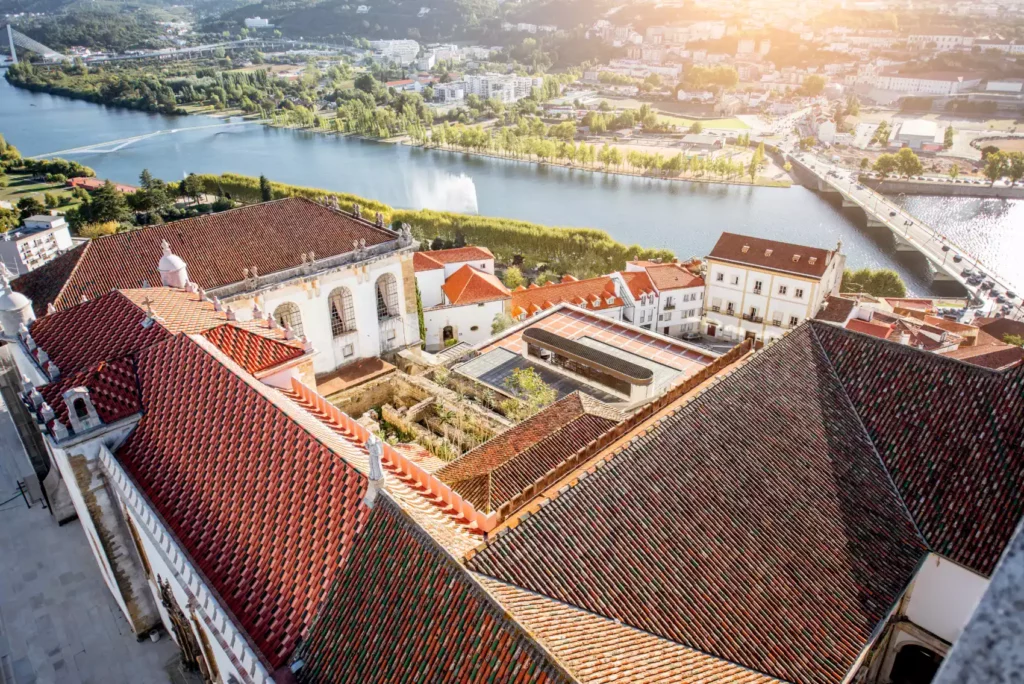
Coimbra, between history and sweetness of life
The former capital of Portugal, Coimbra is above all a university city. It preserves a remarkable historical heritage and a peaceful atmosphere, marked by the presence of students from around the world.
Less expensive than Lisbon or Porto, Coimbra seduces with its human size and quality of life. The cafes, gardens and banks of the river Mondego give the city a simple and endearing charm.
It is an excellent choice for families or retirees who wish to live in an authentic and friendly environment.
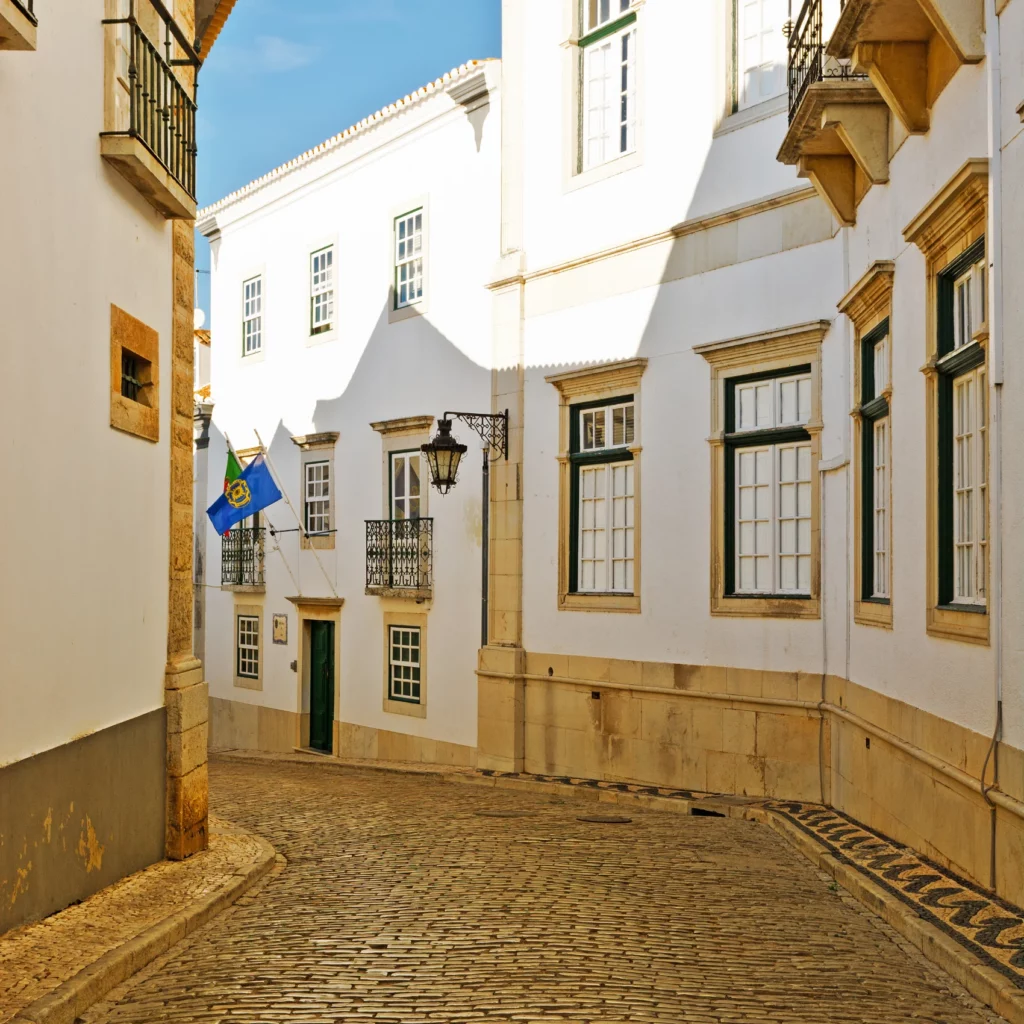
Faro and the Algarve—the south, between sea and light
In the south of the country, the Algarve region offers an exceptional climate and an unparalleled quality of life. Faro, its capital, combines modernity, security and immediate proximity to the sea.
The region has long attracted foreign retirees, but also families looking for a peaceful setting. The coastal landscapes, the immense beaches and the mild climate make the Algarve a privileged life destination.
The prices are reasonable outside of ultra-tourist areas, and daily life is punctuated by the sea and the sun.
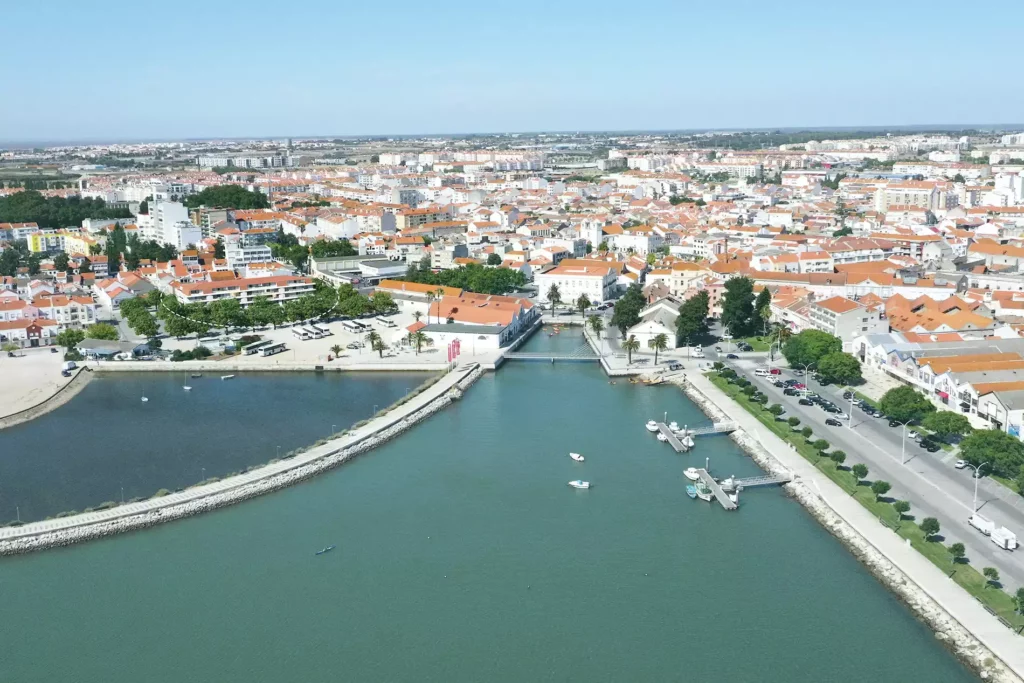
Montijo, the new door of Lisbon
Located on the south bank of the Tagus, facing Lisbon, Montijo attracts more and more new inhabitants. Thanks to the Vasco da Gama bridge, it offers direct access to the capital in less than 30 minutes while maintaining a residential and peaceful atmosphere.
The cost of housing is much more affordable than in central Lisbon, and new real estate programs are multiplying there. Montijo appeals to families and active people who wish to enjoy the proximity of the capital without suffering the disadvantages: dense traffic, high rents or permanent noise.
This city perfectly illustrates the evolution of the Lisbon region, where new modern districts emerge in a preserved natural setting. Choosing where to live in Portugal is above all choosing a pace of life.
Each destination offers a different face of Portugal, but all share the same lifestyle: that of regained time, sun and simplicity. Before putting down your suitcases, however, it is better to know the few disadvantages and challenges of everyday life.
Some disadvantages of life in Portugal
Settling in Portugal is often a dream that comes true. But like any expatriation project, it comes with challenges to anticipate to avoid bad surprises.
Modest salaries and an increasing cost of living
Portugal remains one of the countries in Western Europe where salaries are the lowest. In 2025, the average salary is around 1,250 € net, while the minimum wage is set at 820 € net per month. At the same time, the cost of living, especially in Lisbon and Porto has increased significantly. Rents and real estate sometimes reach levels comparable to those of large French cities, without local revenues following the same trend.
To better situate the housing budget in Portugal, here are some concrete benchmarks on the average rents observed in 2025 in the main cities of the country. These figures give a realistic idea of the cost of living for families and expatriates.
Examples of average rents (2025)
- Lisbon : 1€1,400 - €1,600 for a T2 of 60 m2
- Porto: 1,000 - 1,200 € for equivalent housing</strong)
- Montijo or Braga: 700 - 000 € for a spacious T2</strong)
For the Portuguese, this imbalance weighs on purchasing power. For expatriates, the situation is more favorable, especially if they work remotely or receive foreign income. But this contrast creates a visible social divide between residents and newcomers, especially in urban areas.
A real estate market under pressure
For several years, the Portuguese real estate market has been under tension. The attraction of tourism, foreign investment and the increase in seasonal rentals have driven up prices, particularly in Lisbon, Porto and in the Algarve.
Long-term rentals are becoming rarer, required deposits are higher, and owners often prefer short leases. An apartment of 60 m2 in Lisbon can now be rented between €1,400 and €1,600, sometimes more in central areas. In Porto, rents range between 1,000 and 1,200 €.
On the other hand, alternatives exist: the cities of Setúbal, Montijo, Braga or Viana do Castelo offer a better balance between price and quality of life. The real estate purchase market remains interesting, but it requires good preparation and precise knowledge of local approaches.
Sometimes confusing administrative procedures
Portugal is known for its warm welcome, but its administration often tests patience. Obtaining a tax number (NIF), a certificate of residence or a medical appointment can take several days or even weeks depending on the region.
Procedures vary from one city to another, and many steps still need to be taken in person. The official website ePévitgal.gov.pt facilitates certain formalities, but digitalization is not yet complete.
This slowness, typically Portuguese, is part of everyday life. You simply have to learn to deal with it. A form of cultural adaptation in itself!
A public health system under stress
The Serviço Nacional de Saúde (SNS) guarantees a good level of care, but it suffers from a lack of human and material means. Deadlines to get an appointment can take several weeks, and some medical specialties are saturated.
Portugal has about 3.5 doctors per 1,000 inhabitants, compared to 6.5 in France according to the OECD. Large cities fare better, while rural areas lack medical staff.
Many residents opt for a private health insurance, which allows quick access to modern and well-equipped clinics, notably in Lisbon, Porto and Faro. This dual system, public and private, works well, but requires an additional budget to be included in the monthly expenses.
The language barrier and cultural shock
Even if a large part of the Portuguese speak English or French, especially in big cities, the language remains a challenge. Official documents, contracts or administrative procedures are in Portuguese. Not mastering the language therefore limits autonomy and sometimes hinders integration.
Beyond the language, one must also adapt to a different pace of life. The Portuguese are known for their calmness and sense of time: appointments often start later, businesses close at irregular times, and projects advance at their own speed.
This slower pace can destabilize those who come from more structured environments, but it also reflects a less stressful, more human lifestyle. Settling in Portugal also means learning to deal with these small daily constraints.
To see more clearly, here is a summary of the main advantages and disadvantages of living in Portugal in 2025.
The advantages and disadvantages of living in Portugal
| Benefits | Disadvantages | Mild climate and more than 300 days of sunshine per year | Low salaries (average €1,250/month) and limited local purchasing power |
|---|---|
| Advantageous taxation for new residents (RNH, fiscal stability) | Slow administrative procedures and unequal according to the regions |
| Efficient public and private healthcare system, affordable private insurance (€40–80/month) | High wait times in the public health system |
| High security and political stability | Language barrier for official procedures |
| Fast internet connection (160 Mb/s on average) and modern infrastructures | Slower pace of life, cultural adaptation necessary |
| Warm welcome and recognized quality of life | Tense rental market in large cities (Lisbon, Porto) |
These benchmarks confirm that, despite the rise in prices in large cities, Portugal remains one of the most accessible countries in Western Europe, with an enviable balance between cost of living and quality of life.
Practical advice and installation procedures in Portugal
Settling in Portugal is not just about booking a flight or finding accommodation with an ocean view. Between administrative procedures, the health system, schooling or everyday contracts, it is better to proceed methodically.
Here are the main steps to settle serenely in Portugal.
Obtaining the NIF: the first essential step
The NIF (Número de.europa.euFiscal) is the key to any installation in Portugal. This is your tax identification number, essential to rent a home, open a bank account, buy a property or subscribe. It is obtained in an office of the Finanças on presentation of a passport and proof of residence, or remotely via a tax representative. Once assigned, this number will follow you in all your administrative procedures. It is the first stone of your new life in Portugal.
Finding suitable housing
The Portuguese rental market remains dynamic, especially in Lisbon and Porto, where demand often exceeds supply. Rents can vary greatly from one neighborhood to another. Medium-sized cities often offer a quieter setting and rents 30 to 40% lower than those of large metropolises.
It is advisable to start with a temporary rental before signing a long-term lease. Local platforms like Idealista.pt allow for a realistic view of the market.
Open a Portuguese bank account
Even though some European neo-banks allow you to manage your expenses remotely, having a local account greatly simplifies the process. The main banks (Millennium BCP, Caixa Geral de Suez, Novo Banco) offer tailored packages for expatriates. Bring your NIF, proof of identity and domicile to open the account.
Register in the Portuguese health system
The Serviço Nacional de Saúde (SNS) is accessible to all European residents.
Once installed, it is necessary to request a user number (número de® ) at the health center in your neighborhood and choose a family doctor. Public care is of quality, with consultations between 5 and 15 €.
Many expatriates opt for a private health insurance (€40 to €80/month) in order to reduce waiting times. The country therefore offers a good balance between public service and private offer, ensuring easy access to care.
Portuguese education and school system
For expatriate families, the Portuguese educational system is a real highlight. Public education is free and open to all resident children, regardless of their country of origin. The school level is recognized there, with attentive teachers and a real openness to the international. Children integrate quickly, especially when they start school young: learning Portuguese is done naturally, through exchanges and daily life.
For those who prefer a multilingual environment, the country has an extensive network of private and international schools, notably in Lisbon, Porto, Cascais and the Algarve. These institutions offer programmes in English, French or bilingual, with fees generally ranging between €400 and €900 per month depending on the level and location. Families also appreciate the more flexible rhythm of the days and the importance given to outdoor activities — reflection of the Portuguese way of life.
Obtain legal residence
European citizens can stay in Portugal for up to 90 days without formalities. Beyond that, one must request a Certificate of Registration of Payments to the Government, issued by the city hall (Câmara Municipal). This title, valid for five years, allows access to social security and public services.
Non-European nationals must apply to the Serviço de Discoy e Crète (SEF) for a visa or residence permit.
Manage the daily contracts
Once the main formalities have been completed, it is time for daily procedures. The most common providers are EDP, Galp, Iberdrola for energy, andMEO, NOS, Vodafonefor telecommunications. Contracts are easily subscribed online, provided you have a NIF and a Portuguese bank account.
The costs remain affordable: between €25 and €40 per month for high-speed internet, and around €100 for the energy charges of an average apartment.
Move to Portugal
Portugal benefits from an efficient and well-maintained transport network. The fast trains Alfa Pendular connect Lisbon to Porto in less than three hours, and the buses Rede Espressos or FlixBus serve the entire territory.
The highways are smooth, but there is a charge. The Via Verde toll system facilitates regular trips. The European driving license is recognized, but it is recommended to register it with IMT after two years of residence.
Well integrate into local life
The key to a successful installation is openness. The Portuguese appreciate simplicity and conviviality: a hello at the local café, a word at the market, participation in the neighborhood party are often enough to create the bond.
Learning a few notions of Portuguese greatly facilitates integration, even if English is widely understood in large cities. Local life is based on proximity and sharing: we take time, we discuss, we exchange.
Once the steps are completed and the first habits taken, comes the most enriching step: create a link. Because living in Portugal is not only about settling down, it’s also about finding one’s place in a welcoming and supportive community. Let’s now see how expatriates weave their social life on a daily basis:
- Throughout the country, from Lisbon to Porto, and all the way to the Algarve, expatriates quickly find their bearings, between self-help groups, shared cafes and local initiatives.
- The Portuguese, on the other hand, welcome with simplicity those who are interested in their culture and take the time to learn a few words of their language. It is often in these daily exchanges, around a coffee or a market, that real integration begins.
Portugal is not just a sunny destination: it is a country where one weaves ties, where one slows down, where one learns to live at one’s own pace. And it is perhaps there, in this rediscovered serenity, that all the charm of Portuguese life lies.
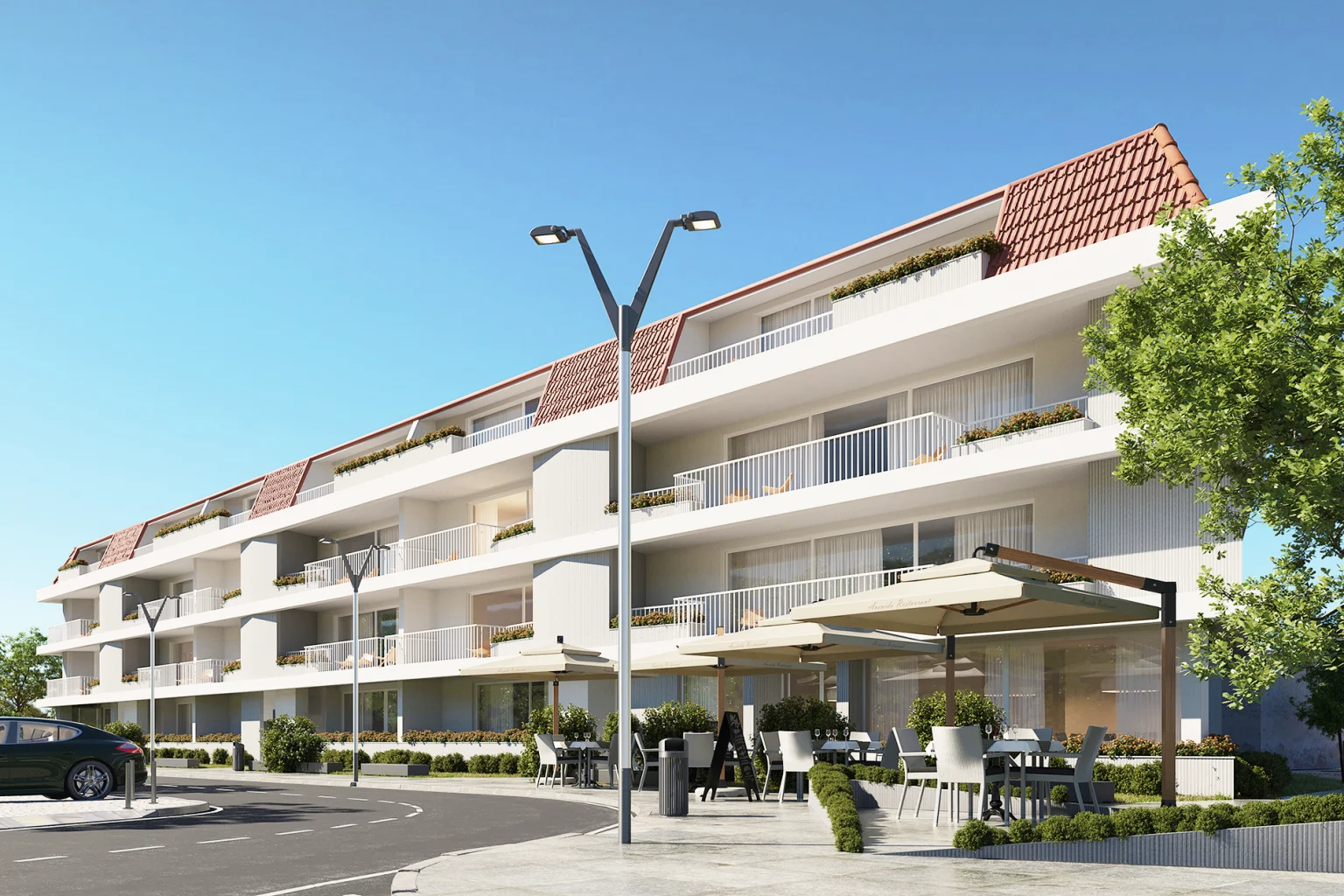
Discover the residence Bay View in Montijo
Discover Bay View, our new high-end residential project, located in the heart of the city, a few steps from the Tagus river. A residence designed to last, between Portuguese elegance and contemporary comfort.
It may interest you
Our other articles
Your apartment in Montijo: breathtaking view of the Tagus
Home 17 November 2025 Your apartment in Montijo: breathtaking view of the Tagus Summary Add a header to begin generating ...
read the article
Buying a new home in Portugal: a winning option
Home 17 November 2025 Buying a new home in Portugal: a winning option Buying a new apartment in Portugal, often ...
read the article

Living in Portugal: advantages and disadvantages
Home 12 November 2025 Living in Portugal: advantages and disadvantages </h1 > Imagine the golden reflections of the Tagus, a ...
read the article
